“What, my son?
And what, son of my womb?
And what, son of my vows?”
“Do not give your strength to women,
Or your ways to that which destroys kings.”
“It is not for kings, Lemuel,
It is not for kings to drink wine,
Or for rulers to desire intoxicating drink,”
“For they will drink and forget what is decreed,
And pervert the rights of all the needy.”
“Give intoxicating drink to one who is perishing,
And wine to one whose life is bitter.
Let him drink and forget his poverty,
And remember his trouble no more.”
“Open your mouth for the people who cannot speak,
For the rights of all the unfortunate.
Open your mouth, judge righteously,
And defend the rights of the poor and needy.”
The Excellent Wife (Eshet Chayil)
“An excellent wife, who can find her?
For her worth is far above jewels.
The heart of her husband trusts in her,
And he will have no lack of gain.”
“She does him good and not evil
All the days of her life.
She looks for wool and flax
And works with her hands in delight.”
“She is like merchant ships;
She brings her food from afar.
She rises while it is still night
And gives food to her household
And portions to her attendants.”
“She considers a field and buys it;
From her earnings she plants a vineyard.
She surrounds her waist with strength
And makes her arms strong.”
“She senses that her profit is good;
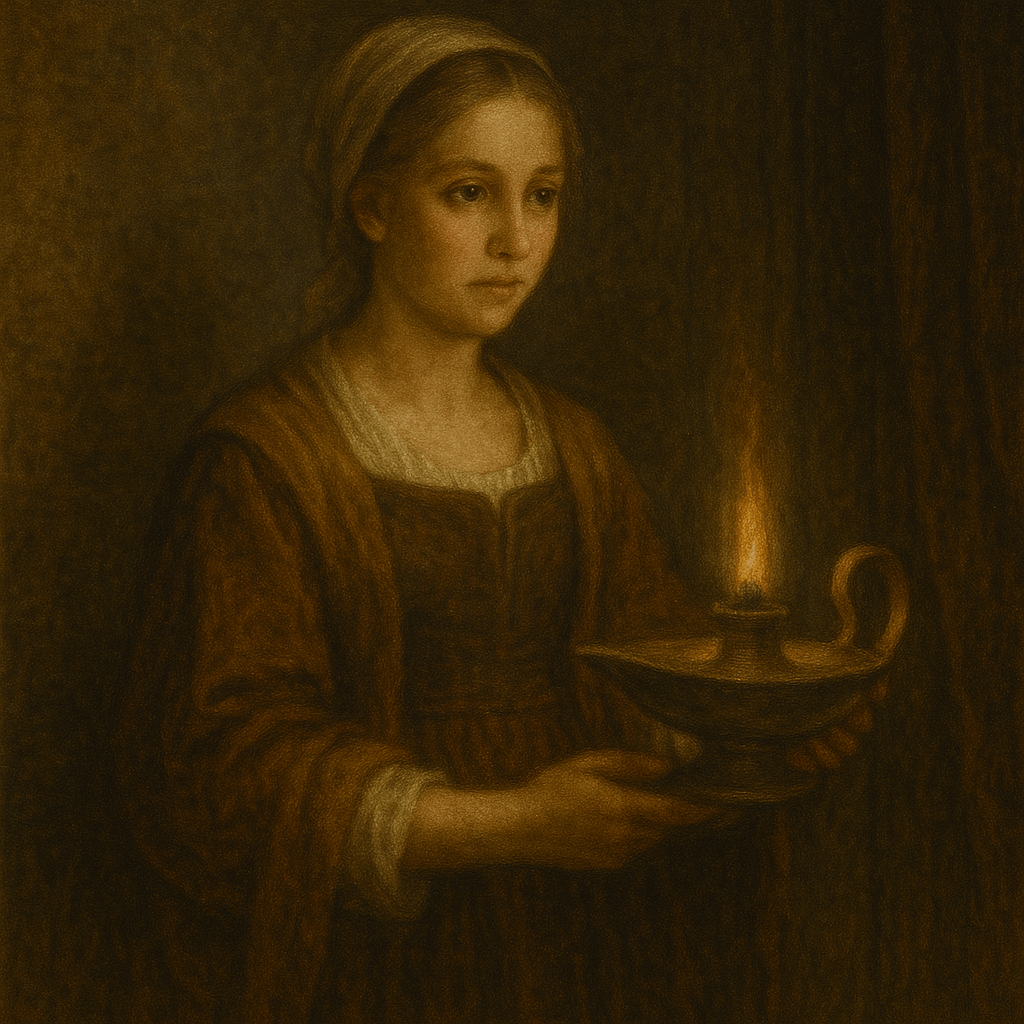
Her lamp does not go out at night.
She stretches out her hands to the distaff,
And her hands grasp the spindle.”
“She extends her hand to the poor,
And she stretches out her hands to the needy.”
“She is not afraid of the snow for her household,
For all her household are clothed with scarlet.
She makes coverings for herself;
Her clothing is fine linen and purple.”
“Her husband is known in the gates,
When he sits among the elders of the land.
She makes linen garments and sells them,
And supplies belts to the tradesmen.”
“Strength and dignity are her clothing,
And she smiles at the future.
She opens her mouth in wisdom,
And the teaching of kindness is on her tongue.”
“She watches over the activities of her household,
And does not eat the bread of idleness.
Her children rise up and bless her;
Her husband also, and he praises her, saying:”
“‘Many daughters have done nobly,
But you excel them all.’”
“Charm is deceitful and beauty is vain,
But a woman who fears the Lord, she shall be praised.
Give her the product of her hands,
And let her works praise her in the gates.”
Context and Meaning
Proverbs 31 is the capstone of the wisdom tradition.
It offers:
1. A Mother’s Wisdom to a King (vv. 1–9)
She warns her son against:
- Sexual immorality
- Drunkenness
- Corruption
- Neglect of justice
And she urges him to:
- Speak for the voiceless
- Judge righteously
- Defend the poor and needy
2. A Poem of Wisdom in Flesh and Bone (vv. 10–31)
This acrostic poem (each verse starting with a letter of the Hebrew alphabet) paints a portrait of wisdom lived out:
- Diligent
- Trustworthy
- Industrious
- Generous
- Prepared
- Strong
- Compassionate
- Wise
- God-fearing
This woman is not an unattainable ideal — she is wisdom personified, the culmination of everything the book has been teaching.
Key Themes:
- Purity and Strength in Leadership: Kings must avoid immorality and intoxication (v. 3–5).
- Justice for the Oppressed: Leaders must defend the vulnerable (v. 8–9).
- Wisdom in Action: Diligence, strength, and skill (v. 13–19).
- Generosity and Compassion: Open hands to the poor (v. 20).
- Confidence Through Preparation: No fear of the future (v. 21, 25).
- Honor in Family and Community: Her household praises her (v. 28–31).
- Fear of the Lord: The ultimate virtue (v. 30).
Reflection and Impact
Proverbs 31 calls us to embody wisdom in everyday life:
- Justice is leadership’s sacred duty – (v. 8–9) echoes Isaiah 1:17.
- Moral purity strengthens kings – (v. 3–4) mirrors 1 Timothy 4:12.
- Wisdom builds a household – (v. 10–12) aligns with Proverbs 14:1.
- Diligence honors God – (v. 13–19) reflects Colossians 3:23.
- Generosity is godliness – (v. 20) matches Proverbs 19:17.
- Strength and dignity come from the Lord – (v. 25) connects with 1 Peter 3:3–4.
- The fear of the Lord outshines beauty – (v. 30) parallels 1 Samuel 16:7.
Application
- Embrace Godly Leadership: Speak for the voiceless; reject corruption.
- Live With Diligence: Do your work with excellence and delight.
- Practice Generosity: Stretch your hands toward the poor.
- Prepare Wisely: Anticipate needs; build stability.
- Speak With Wisdom: Let kindness be on your tongue.
- Honor Those Who Fear the Lord: True beauty is spiritual, not superficial.
- Seek Wisdom in Everyday Work: Wisdom is not merely learned — it is lived.
Closing Thought
Proverbs 31 closes the book by showing us wisdom incarnated in real life.
It pictures the fear of the Lord overflowing into work, home, compassion, character, and legacy.
The book ends where wisdom begins — with the fear of the Lord — and shows us what it looks like when the heart walks in reverent devotion to God.
“A woman who fears the Lord, she shall be praised.”
 TIME FOR PROVIDENCE
Leave a comment