
Jesus said, “Truly, truly, I say to you, unless a grain of wheat falls into the earth and dies, it remains alone; but if it dies, it bears much fruit.” (John 12:24, NASB 1995)
The thought lingers in my mind: What will grow out of me? When my life has reached its final breath, and the seed of my heart is sown into eternity, what will it produce?
I reflect on the parable of the sower—the post that is scheduled to go live in the morning. But this time, I see myself not as the soil receiving the seed but as the seed itself. Will my life sprout something that glorifies God, bearing the fruit of the gospel? Or will it decay into something lifeless, consumed by the desires of the flesh?
Paul writes, “For the one who sows to his own flesh will reap destruction from the flesh, but the one who sows to the Spirit will reap eternal life from the Spirit.” (Galatians 6:8)
It is sobering to consider what I have been sowing.
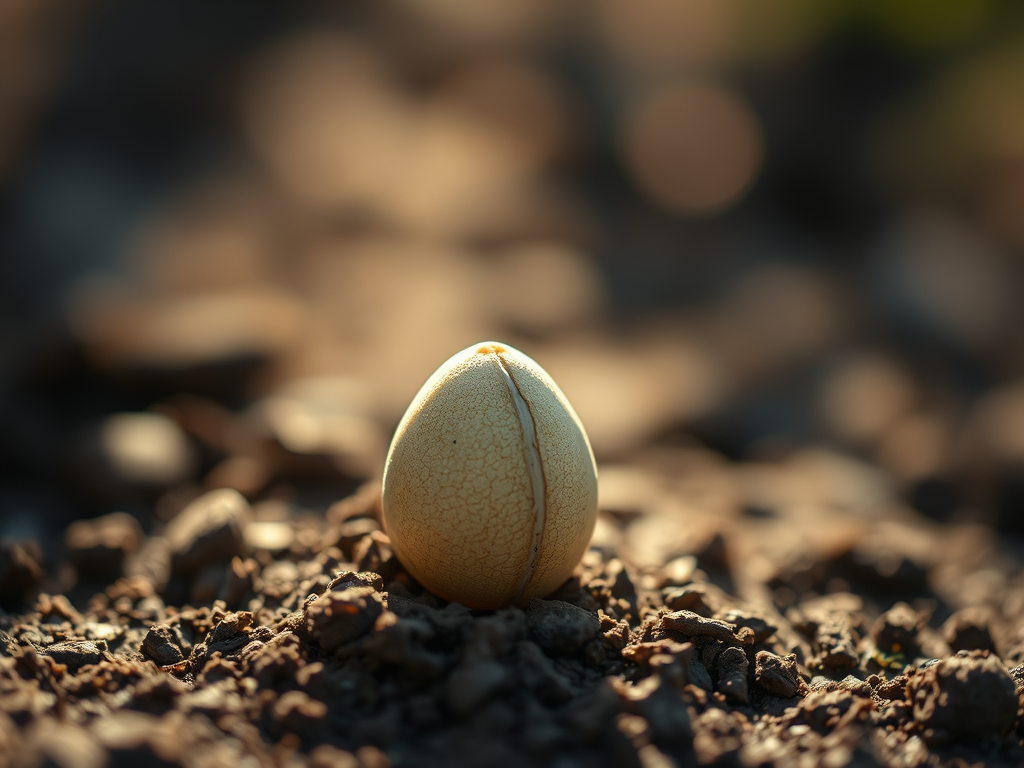
The War Within: Sowing to the Flesh or the Spirit
Lust—desire detached from righteousness—has always been the great war waged within me. It is the thorn that threatens to choke my growth, the deceptive root system that drains life instead of giving it. Left unchecked, it will grow, and what comes from me will not be the fragrance of Christ, but the decay of self-indulgence and spiritual death.
Yet, I am reminded that a seed must die before it can bear fruit. Jesus did not say the seed simply grows—He said it falls into the earth and dies (John 12:24). There is a burial before there is a resurrection.
If I hold onto the seed of my life, grasping at my desires and resisting surrender, it remains alone. But if I die to myself—if I yield fully to Christ—what grows will be something far greater than what I could have produced in my own strength.
The Psychology of Surrender: Letting Go to Gain
The paradox of dying to self is difficult to grasp because it contradicts our natural instincts. Our minds are wired to seek self-preservation, to cling to what is familiar, even when it harms us.
- Neuroscience tells us that repeated habits strengthen neural pathways—meaning, the more I indulge lustful thoughts, the deeper the groove they carve into my mind. But the same principle applies to righteousness: when I repeatedly choose obedience, purity, and surrender, my mind is rewired toward life. (Romans 12:2)
- Cognitive dissonance occurs when my actions don’t align with my beliefs—when I claim Christ but sow to the flesh. The only resolution is either to change my behavior or numb my conscience.
- Spiritual transformation requires pruning. Just as a gardener cuts away dead branches so the tree may thrive (John 15:2), God’s refining work often feels like loss. But it is through this loss that true fruitfulness comes.
A Seed’s Prayer: Dying to Bear Life
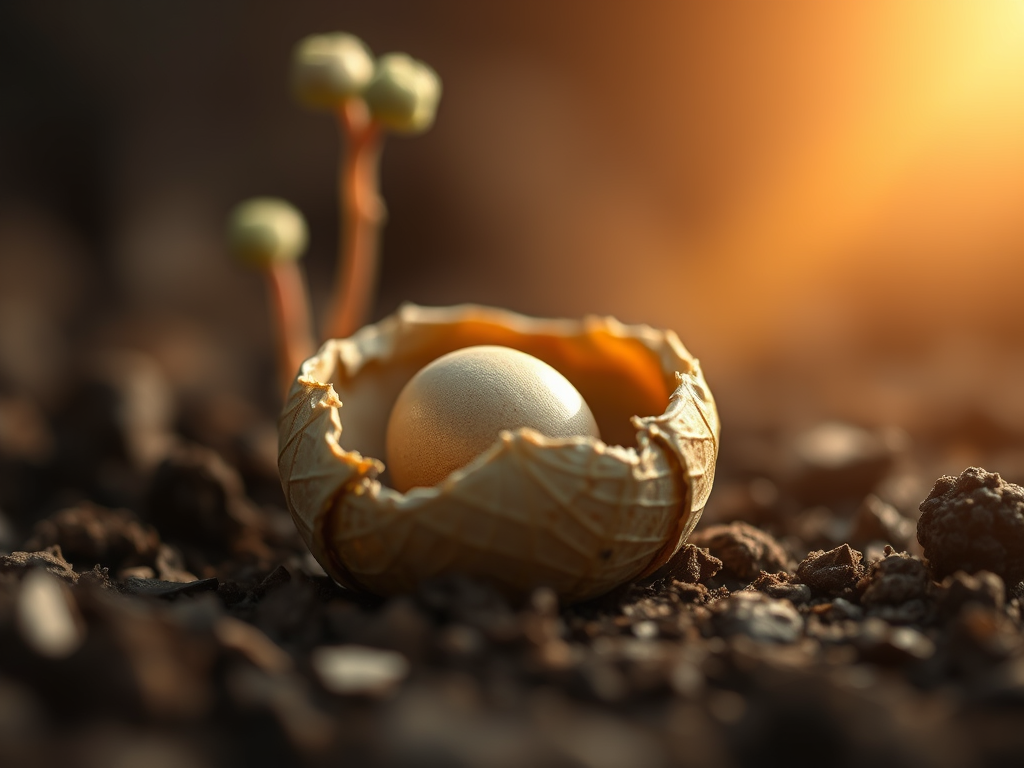
Lord, if I am the seed, let me not fall in vain. Let my death to sin bring forth the life of Christ in me. Let me not be hardened, buried without growth, consumed by what I refuse to surrender. But let me break open, let Your Spirit take root, let what comes from me be a harvest of righteousness.
“The one who remains in Me, and I in him bears much fruit, for apart from Me you can do nothing.” (John 15:5)
What will grow out of me?
I choose today what I will sow.
 TIME FOR PROVIDENCE
Leave a comment